

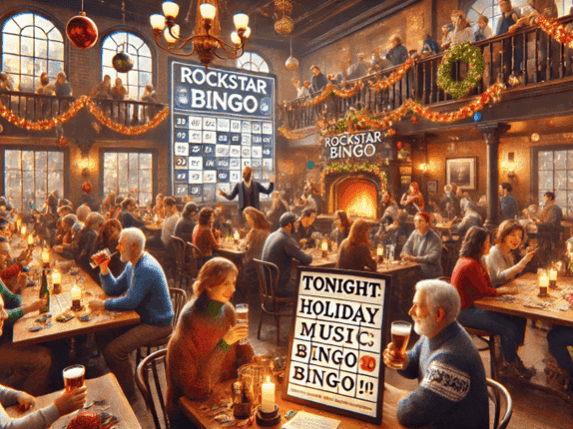
The bingo committee organizes two Saturday night games per month. Check with the front office for specific dates. The Willard Hicks Pavilion opens up at 3:00 PM. Hopeful winners can claim their space at a table. If they are hungry they can approach the kitchen and order an evening hamburger and refreshments.
Bingo was first invented in 1530, that is a long time ago! Bingo actually originates from the Italian lottery where it was called Il Gioco del Lotto d’Italia. The bingo game spread to France where it was known as Le Lotto, played by French aristocracy.
Brain games, even those online, help aging adults remain sharp and tackle day-to-day tasks. Most seniors are able to play bingo at various stages of mental health. Bingo is repetitive, which is helpful for elderly players who may not have the wherewithal to learn new rules and skills.
The origin of the name Bingo is unknown but may date to the mid-1920s. There are claims that one of Lowe’s friends was so excited to have won that she yelled out “Bingo” instead of “Beano”, or that the word echoes the sound of a bell.
Tenants and local visitors like bingo because it offers a blend of social connection, mental stimulation, and low-impact physical activity that is accessible to a wide range of abilities. Bingo provides an easy and familiar way for gamers to socialize, combating isolation and depression while also keeping their minds sharp through focusing, listening, and memory recall. Its accessibility is key, as it can be played by those in wheelchairs or with limited mobility, offering a sense of community and purpose.